
Reviewed · MEDINA TOURS
Madina : Bader Battle Ground, Jable Malaika and Wells
Quiet places tell powerful stories. This Medina tour links Beer Roaha and Beer Shifa with the Battle of Badr, giving you religious history, local sites, and time to ask questions in one outing. I especially like the personal guiding and the chance to visit places that are not part of every Medina sightseeing plan. The main consideration is the rough outdoor setting, which may be difficult for anyone with limited mobility.
I also like that the price is $179 per group of up to eight, rather than per person. Guide Uzair earned especially warm praise for his clear background stories, patience with children, and willingness to tailor extra stops. Bring water, sunscreen, and sturdy shoes, because this is an intercity visit with outdoor walking and little shelter.
In This Review
- Key points before you go
- Why this Badr outing is worth your time
- Beer Roaha and the story of 70 prophets
- Beer Shifa and the sweet-water tradition
- Reaching the Battle of Badr
- Masjid Areesh and the Prophet’s tent
- Jable Malaika, the Mountain of the Angels
- A practical lunch and refreshment break
- What the guide adds to the experience
- Who will enjoy this tour most
- Price, group size, and cancellation
- What to pack for Badr
- Should you book this Badr tour?
- FAQ
- How much does the Badr tour cost?
- What places does the tour visit?
- Is lunch included?
- What languages are available?
- What should I bring?
- Is photography allowed?
- What information is needed when booking?
- Is the tour suitable for wheelchair users?
- Can I cancel the tour?
Key points before you go
- Beer Roaha is linked with 70 prophets, making it one of the more unusual stops on the route.
- Beer Shifa is associated with sweetened water, according to the account shared at the site.
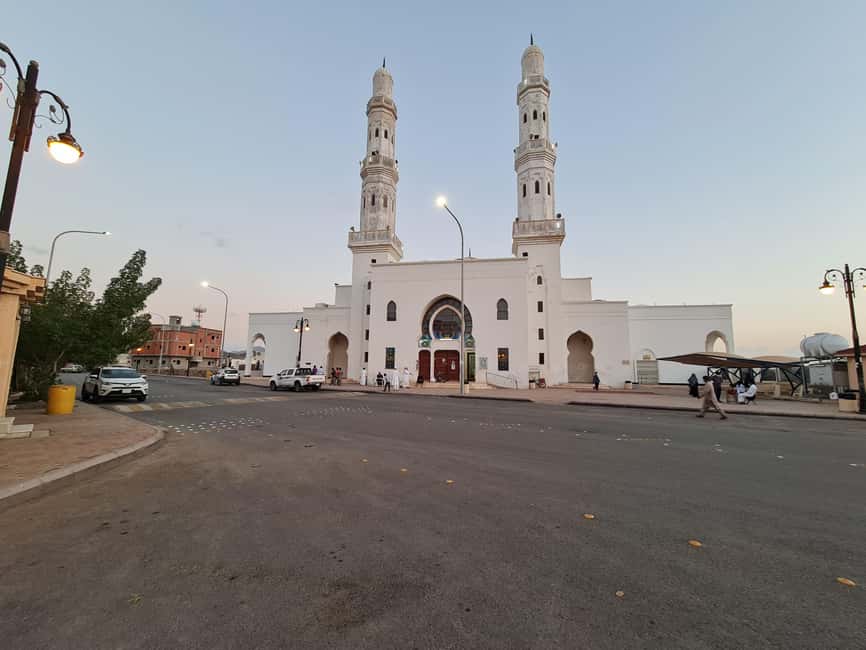
- Masjid Areesh marks the place of the Prophet’s tent during the Battle of Badr.
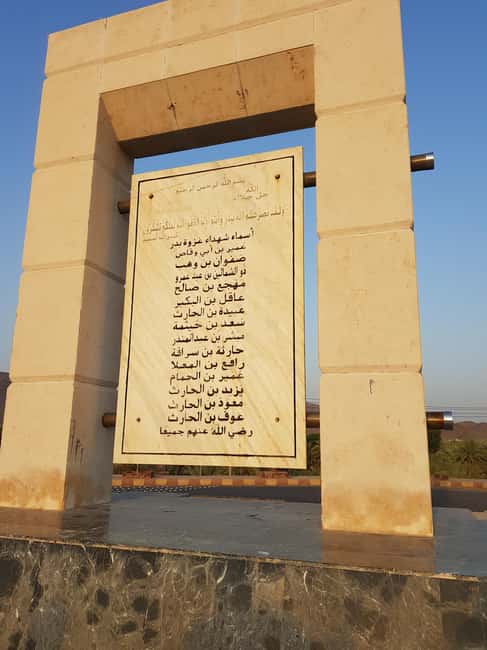
- The martyrs’ graves and listed names give the battle site a personal, human focus.
- Jable Malaika, or Angels Mount, is tied to 5,000 angels who descended to aid the Muslims.
- The private group price suits families and small parties, especially if you want a guide who can adjust the day to your interests.
Why this Badr outing is worth your time
Badr is not simply a battlefield marked on a map. It is a place where early Islamic history feels close and physical. You see wells, a mosque, burial grounds, and a mountain connected with a major event. The value of this tour comes from joining those pieces together instead of visiting one isolated site and leaving without context.
From Medina, the tour takes you beyond the city’s better-known religious stops. That makes it a good choice if you have already visited the central sites or want a day focused on history rather than shopping and general sightseeing.
The experience is guided, with English, Urdu, Hindi, and Punjabi available. That matters here. A plain view of an old well or open ground does not explain itself. You will get much more from the visit if someone can describe what happened, point out the important locations, and answer questions in a language you understand well.
The tour is priced at $179 for a group of up to eight. For one or two people, that is a sizeable cost. For a family or small group, the arithmetic becomes more attractive, since you are paying for the vehicle and guiding as a group rather than buying eight separate places. If you want a private outing, this setup offers good value, particularly when compared with arranging separate transport and explanations for each site.
Other guided visits around Medina:
- Al Madinah: City Sightseeing Hop-On Hop-Off Bus Tour
★ 3.9 · 148 reviews - Medina Unveiled Private Tour
★ 5.0 · 100 reviews - Madinah Culture & History Tour – Led by Local Guide
★ 5.0 · 74 reviews
Beer Roaha and the story of 70 prophets
The first major stop is Beer Roaha, also written as Bir Roaha. You will hear that the well was used by 70 prophets. That detail gives the stop a strong religious meaning, even though the site itself may seem modest at first glance.
This is a place where your guide adds most of the value. Look closely, listen to the explanation, and ask questions. The well is not just an old water source. It is presented as part of a longer sacred story that reaches across generations.
I would not plan this tour around dramatic monuments at every stop. Some locations are simple and open. That is part of the point. The experience asks you to pay attention to the associations, stories, and setting rather than expect a polished museum with signs at every turn.
Take photographs only with care. Photography is allowed, but you should respect privacy and local customs. Flash photography is not allowed, so keep your camera or phone set accordingly.
Beer Shifa and the sweet-water tradition
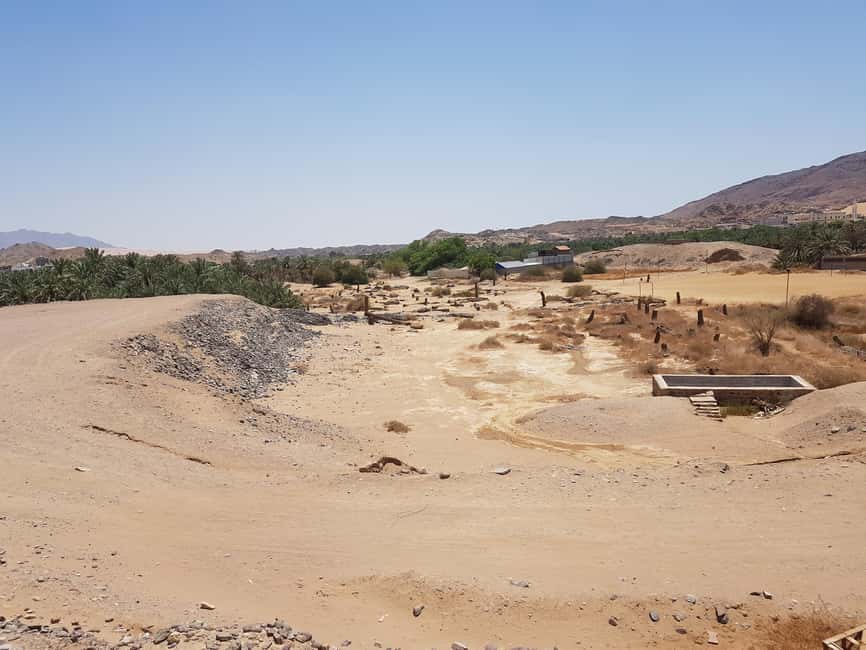
Next comes Beer Shifa, a well associated with a story about Prophet Muhammad. The water is said to have changed from sour to sweet after he used it. For many visitors, this is one of the most memorable stops because the story is easy to understand and tied directly to the physical place in front of you.
The visit works best when you treat it as a place of reflection, not simply as a quick photo stop. Your guide can explain the tradition and help connect it with the wider route. Since the wells are outdoor historical sites, wear shoes that handle uneven walking and avoid assuming that every part of the visit will offer shade or seating.
You should also carry your own drinking water. The tour includes stops where you can buy water, juice, or food, but meals and drinks are not included in the price. In summer, an umbrella for shade is a practical addition, especially during the daytime.
Reaching the Battle of Badr
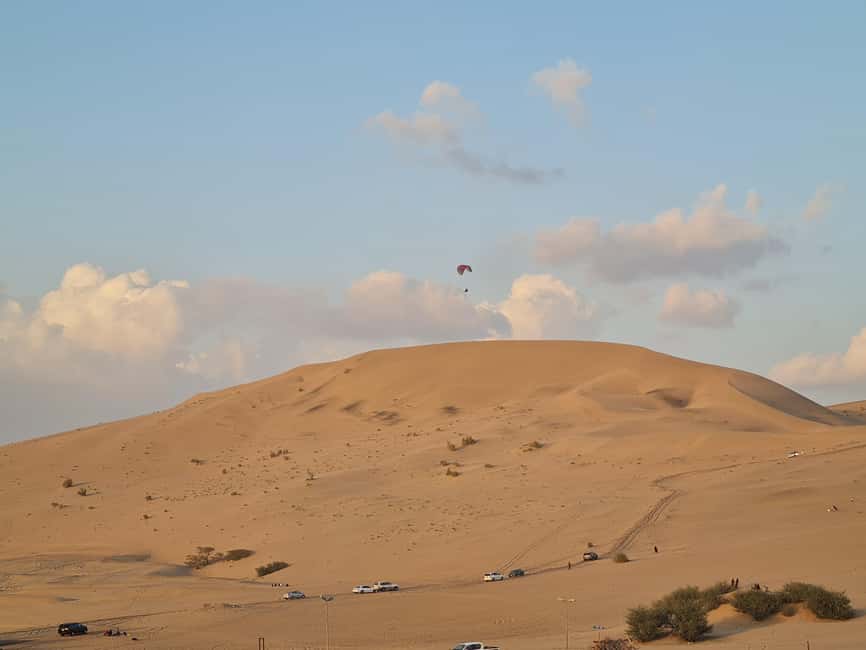
The Battle of Badr is the central reason to choose this outing. The site gives you a chance to learn about the battle where it happened, rather than only hearing its name in a classroom or reading about it in a book.
A guide is particularly useful here because the ground may not provide an obvious visual story. Open terrain can look much the same from one point to another. The explanation turns those spaces into a sequence of events and helps you understand why Badr remains so important.
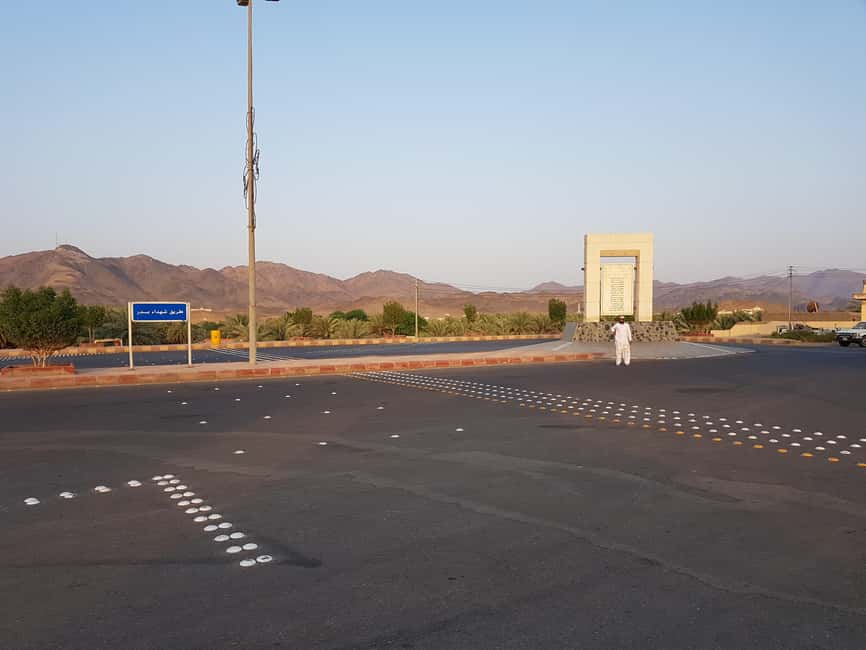
You will learn about the battle, its significance, and the people who died there. The tour also includes the graves of the Shuhada, or martyrs, of Badr, along with the names of the martyrs. That list changes the mood of the visit. It moves the story away from dates and military facts and toward the people involved.
Please keep your behavior quiet and respectful. The tour information specifically asks you to respect the religious and historical importance of the sites. That means modest conduct, considerate photography, and attention to local customs.
A longer drive, and a very different landscape:
- From Madinah: Half-Day Ziarah Tour
★ 4.9 · 59 reviews - City Sightseeing Al Madinah Hop-On Hop-Off Bus Tour
★ 3.0 · 50 reviews - 4WD Adventure in Uhud Mountain
★ 4.5 · 29 reviews - Madinah Ziyarats (Private tour)
★ 3.5 · 26 reviews
Masjid Areesh and the Prophet’s tent
Masjid Areesh is another important stop. It marks the place where the Prophet Muhammad’s tent was fixed during the Battle of Badr. The mosque helps you picture the command setting of the battle and gives you a more focused place to pause during the visit.
Do not expect a large city mosque experience here. The appeal is its connection to the event. You are looking at a site tied to a specific moment, and the guide’s explanation helps make that connection clear.
This is also a useful point for families. Uzair, the guide, was praised for being kind and attentive with children. That is not a small detail on a history-focused day. Younger children may not follow every part of the story, but a patient guide can keep the visit comfortable and help them understand the basic importance of the places they are seeing.
Jable Malaika, the Mountain of the Angels
The route continues to Jable Malaika, also called Angels Mount. The site is associated with the descent of 5,000 angels to help the Muslims during the battle.
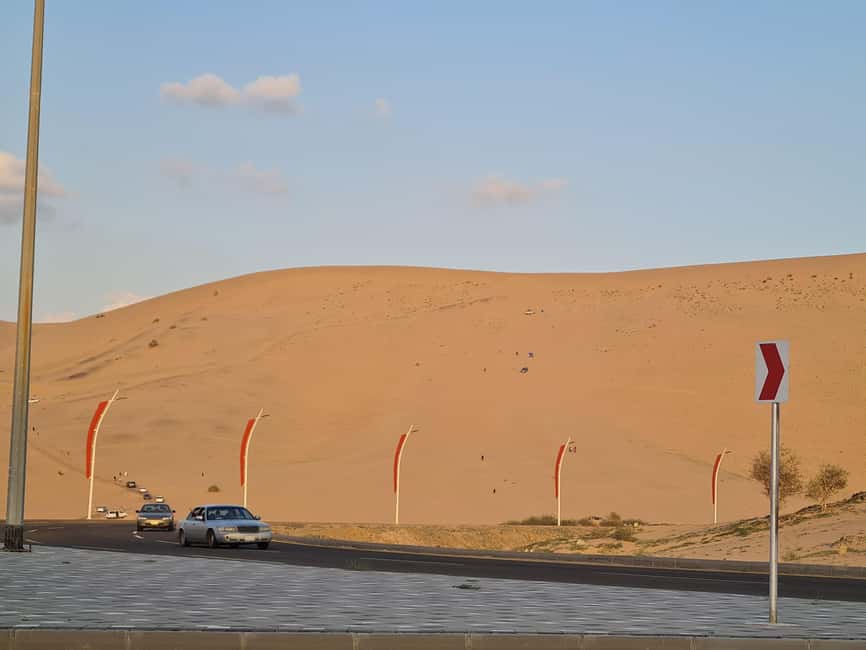
You will see sand and an open mountain setting rather than a developed attraction. The name and story carry the weight here. It is another stop where your guide’s narration matters more than a large structure or formal display.
The sand and walking conditions are worth taking seriously. Comfortable shoes are listed as essential, and I would add a hat, sunscreen, and plenty of water. People with mobility impairments may find the visit hard, and the experience is not suitable for wheelchair users. Pregnant women are also advised not to take this tour.
If the weather is hot, check conditions before setting out. Daytime summer visits can be demanding, and an umbrella can provide useful shade. Do not count on finding shade at every stop.
A practical lunch and refreshment break
After the historical visits, you can stop at a shop for water, juice, or food. If you are hungry, you can also stop at a restaurant for lunch. This flexibility is helpful because the itinerary takes you away from Medina and meals are not included.
I recommend carrying a small supply of food and drinks anyway. The advice to bring your own provisions is sensible, especially if you have children or dietary needs. A shop stop is useful, but it may not offer exactly what you want at the moment you need it.
The food break also gives you a chance to pause after the outdoor sites. This is not a nonstop march from one monument to the next. Still, the amount of walking, heat, and time on the road can affect how tiring the day feels, so pace yourself.
What the guide adds to the experience
The strongest part of this tour is the guiding. Uzair received particular praise for giving background information at each location, treating children warmly, and adjusting the outing when asked. You can ask at booking about personalizing the tour or adding other stops, although any additions should be confirmed before you pay.
That personal approach is useful at Badr because the sites are spread across different types of places. You visit wells, a mosque, open battle ground, graves, and a sandy mountain. Without a clear guide, the day could feel like a series of disconnected stops.
The available languages are English, Urdu, Hindi, and Punjabi. Choose the language that lets you ask detailed questions, not simply follow directions. This is a history tour, and the quality of the explanation shapes much of what you take away.
Make sure the phone number you provide is correct. Good communication through WhatsApp or a local phone number helps the guide reach you and makes meeting arrangements easier. For the intercity Badr visit, you must provide your passport number, name, and nationality when booking. This information is required for a report that can be shown to police if requested, under Ministry of Transport requirements.
Who will enjoy this tour most
I would choose this tour if you have a strong interest in Islamic history, religious sites, or the Battle of Badr. It also suits families who want a private group experience and appreciate a guide who can explain the sites at a comfortable pace.
It is a good fit for visitors with limited time in Medina who want to see several connected places in one outing. The route combines the two wells with Badr’s key locations, so you do not have to arrange separate visits.
I would be more cautious if you prefer polished attractions, air-conditioned museums, or easy walking paths. The sites are historically important, but some are basic outdoor locations. You need to be comfortable with heat, sand, walking, and a day away from the city.
This is not suitable for wheelchair users, people with mobility impairments, or pregnant women. If anyone in your group has difficulty walking outdoors, ask detailed questions before booking rather than hoping the conditions will be manageable.
Price, group size, and cancellation
At $179 per group of up to eight, the cost makes the most sense for a family or small party. Eight people sharing the price get a particularly strong deal. A solo visitor pays much more per person, but may still value the private format and the ability to ask questions without being part of a large coach group.
Meals, drinks, and personal expenses are extra. Build those costs into your budget, and carry water from the start. You can reserve now and pay later, which helps if your Medina schedule is still changing.
You can cancel up to 24 hours in advance for a full refund. That is useful when weather or travel plans remain uncertain, but you should still check the forecast before the day of the visit.
What to pack for Badr
Keep your packing simple but practical:
- Comfortable walking shoes
- Water and extra drinks
- Sunscreen
- A hat
- An umbrella for summer shade
- Food or snacks
- A camera or phone
Flash photography is not allowed. Photography itself is allowed, but you should avoid intrusive pictures and follow local expectations around privacy.
Wear clothing suitable for religious and outdoor sites. The tour information stresses respect for the setting, and your conduct matters as much as your camera settings.
Should you book this Badr tour?
Book it if you want a focused, guided look at Badr and its surrounding wells, especially if you are traveling with family or friends. The combination of Beer Roaha, Beer Shifa, Masjid Areesh, the martyrs’ graves, and Jable Malaika gives the day a clear purpose.
I would give extra weight to the guide. Uzair’s patient manner with children, detailed explanations, and willingness to tailor the day are major advantages. The tour is not about grand buildings or easy sightseeing. It is about understanding sacred places that may look quiet and simple until someone explains why they matter.
Skip it if outdoor walking, heat, sand, or intercity travel will make your group uncomfortable. For everyone else, this is a thoughtful way to move beyond Medina’s central sights and spend time with one of the most important places in early Islamic history.
FAQ
How much does the Badr tour cost?
The price is $179 per group of up to eight people.
What places does the tour visit?
The tour visits Beer Roaha, Beer Shifa, the Battle of Badr site, Masjid Areesh, the graves of the martyrs of Badr, and Jable Malaika, also called Angels Mount.
Is lunch included?
No. Meals and drinks are not included, but you can stop at a shop for water, juice, or food, and you may also stop at a restaurant for lunch.
What languages are available?
Guiding is available in English, Urdu, Hindi, and Punjabi.
What should I bring?
Bring comfortable shoes, a hat, sunscreen, water, food or drinks, and a camera. An umbrella is useful for shade during summer daytime visits.
Is photography allowed?
Photography is allowed, but flash photography is not. You should also respect privacy and local cultural norms.
What information is needed when booking?
For the intercity Badr visit, you must provide your passport number, name, and nationality. You should also check that your phone or WhatsApp number is correct.
Is the tour suitable for wheelchair users?
No. The tour is not suitable for wheelchair users or people with mobility impairments. It is also not suitable for pregnant women.
Can I cancel the tour?
Yes. You can cancel up to 24 hours in advance for a full refund.
Just listed in Medina
- Makkah City to Madinah City Transfer★ 4.5 · 3 reviews
- Half – Day Tour in Prophet Mohammed City★ 5.0 · 4 reviews
- Medina Dining Experience★ 5.0 · 2 reviews
- 1 Hour Private Horse Riding in Madinah★ 4.0 · 5 reviews
- Jeddah Airport to Medina Hotel Private Arrival Transfer★ 5.0 · 3 reviews
- Prophet Biography Tour of Madinah★ 4.6 · 5 reviews
- Medina Ziyarats ( Visit Holy Places)★ 4.2 · 4 reviews
- Prophet’s Mosque Walking Tour with Historic Hejaz Railway★ 4.7 · 4 reviews
Medina Tours, compared.
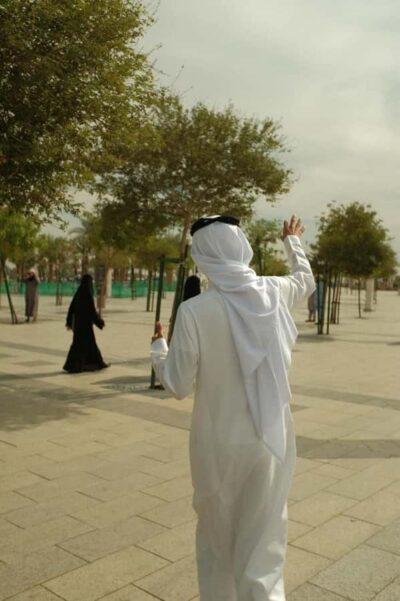
Madinah Culture & History Tour – Led by Local Guide
Read our review →
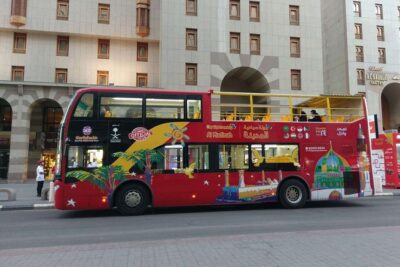
City Sightseeing Al Madinah Hop-On Hop-Off Bus Tour
Read our review →
Madina: Guided Tour of the City’s Historical Sights
Read our review →Browse the lists this tour appears in