
Reviewed · ABHA & ASIR HIGHLANDS TOURS
Abha Wonders & Al Habala Gems
Mountain views meet old stone, mud brick, and local markets.
This six-hour private tour gives you a useful snapshot of Aseer Province, moving from the cliffside setting of Al Habala and Al Yanfa village to Abha’s historic quarters and museums. I like the mix of dramatic mountain scenery and everyday culture, and I also like that the private format lets your guide shape the day around your interests. The main drawback is that the schedule covers many stops in six hours, so some visits may feel brief.
The tour costs $129 per person and includes round-trip transportation and snacks. That is fair value if you want one vehicle, an English or Arabic-speaking guide, and several sights without arranging separate rides. I would not choose it for a slow museum day or a long hike. It is better for a first look at southern Saudi Arabia.
In This Review
- The six details that make this tour worthwhile
- Starting in Abha and heading toward Al Habala
- Al Yanfa village and a mosque with 1,350 years of history
- A quiet pause at Abu Kheyal Park
- Shamsan Ottoman Castle and Abha’s layered past
- Shopping at the Tuesday Bazaar
- Walking through Al Basta’s mud-brick streets
- Finishing at the Fatima Museum
- Why the private guide makes a difference
- Is $129 good value for six hours?
- Who should book this Abha tour?
- My verdict: a strong first look at southern Saudi Arabia
- FAQ
- How long does the Abha Wonders & Al Habala Gems tour last?
- Where does the tour begin and end?
- Is transportation included?
- Are snacks included?
- What languages does the guide speak?
- Is this a private tour?
- What should I bring?
The six details that make this tour worthwhile
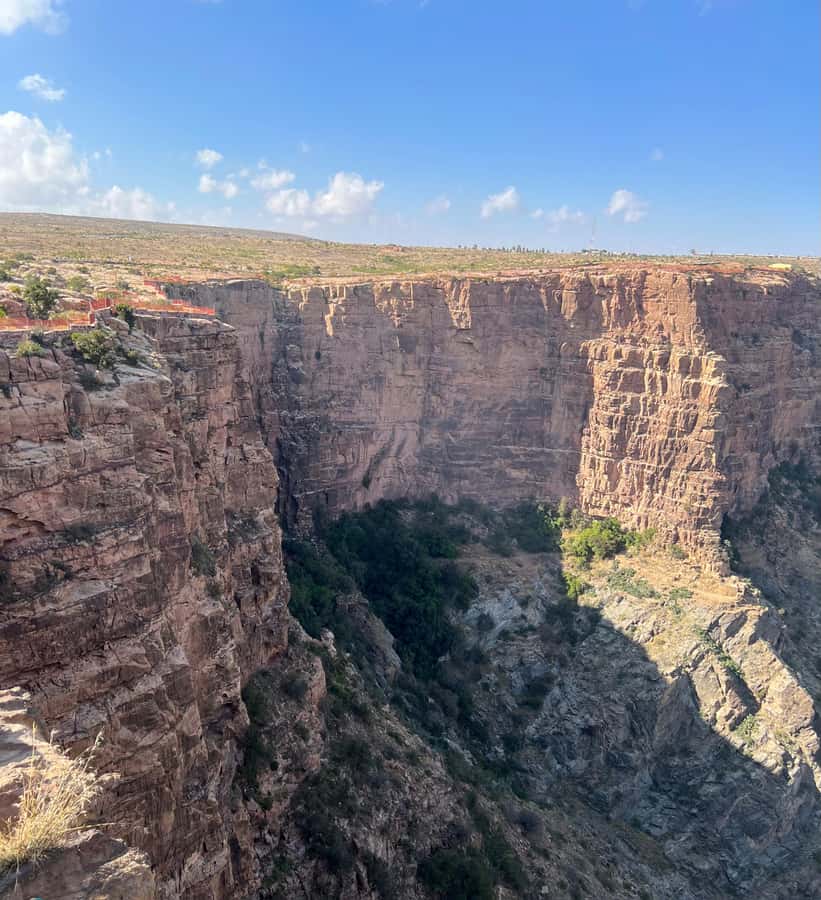
- Al Habala’s cliffside setting: See the dramatic village area often compared with the Saudi Grand Canyon.
- A 1,350-year-old mosque: Visit a heritage village with one of the oldest mosques in the region.
- Abu Kheyal Park: Take a calm walk among greenery with mountain views nearby.
- Ottoman-era remains: Explore Shamsan Ottoman Castle and connect Abha to its wider past.
- Al Basta’s mud-brick lanes: Walk through old streets with wooden balconies and colorful windows.
- A guide who adapts: Osama is praised for excellent English and for adjusting the outing to suit personal interests.
Starting in Abha and heading toward Al Habala
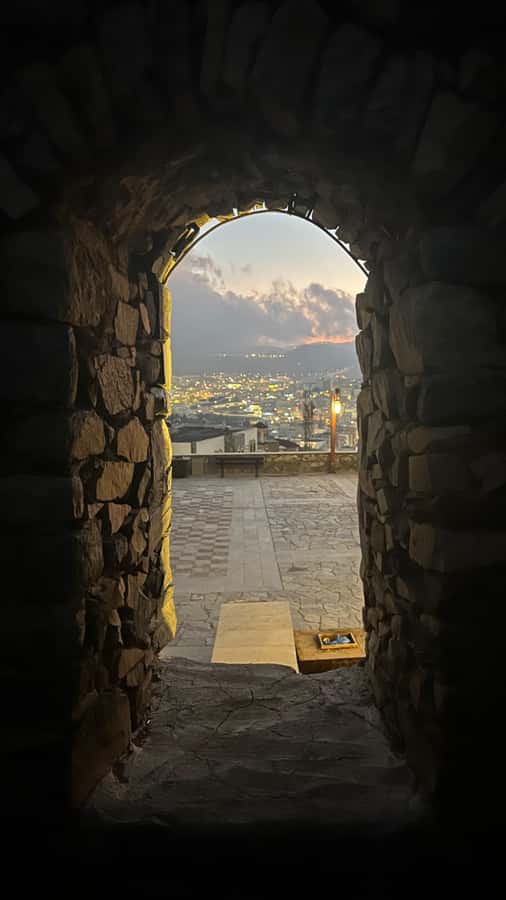
The tour begins with pickup in Abha, then heads toward Al Habala and Al Yanfa village. Transportation is included, which matters here because the experience links several places rather than staying within one compact old quarter.
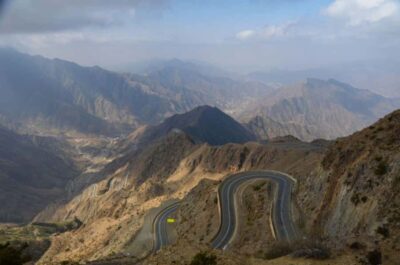
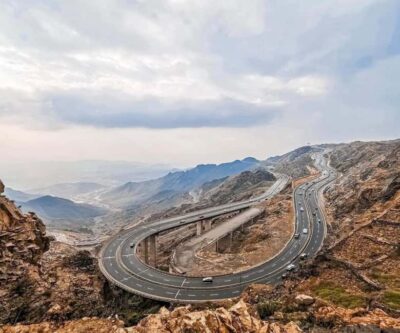
The road portion is part of the appeal. You move from Abha’s urban setting toward high country and broad mountain views. I would keep your camera ready, but I would also avoid treating the drive as a simple transfer. Southern Saudi Arabia reveals itself gradually through its terrain, villages, and changing views.
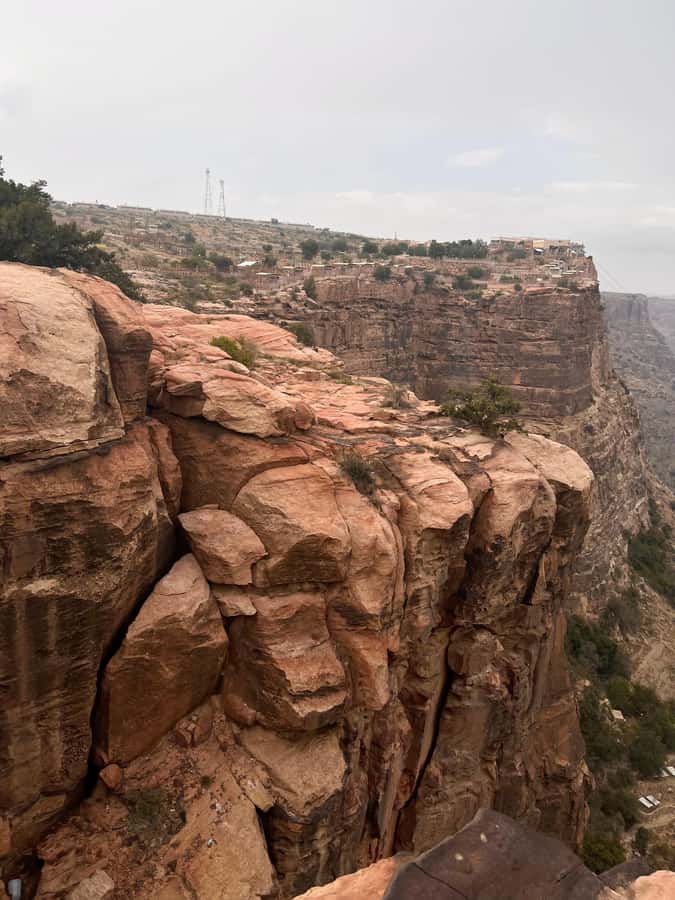
Al Habala is the visual centerpiece. The area is known for its severe cliffside setting, and the comparison with the Saudi Grand Canyon gives you a good idea of the scale and drama. You should expect viewpoints rather than a long guided walk through a fully preserved town. The attraction is the setting itself: rock, height, open air, and the sense of a settlement built in a difficult place.
This stop suits anyone who enjoys photography and wide views. It is less suitable if you have trouble walking or standing, since the experience is specifically marked as unsuitable for people with mobility impairments. Comfortable shoes are recommended, and you should carry water, a hat, and sunscreen.
Other days up in the Asir highlands:
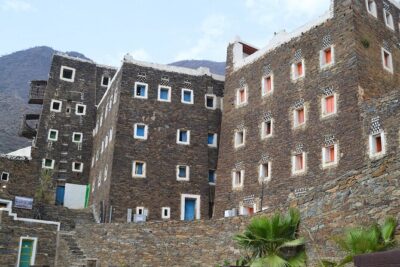
- Historical & Heritage Tour in Abha- Rijal Almaa Village
★ 5.0 · 22 reviews - Hike Trip In Abha Wadi Lajab – Heaven In The Desert
★ 5.0 · 11 reviews - Abha City and AlHabala Full-Day Tour
★ 5.0 · 9 reviews
Al Yanfa village and a mosque with 1,350 years of history
The visit to Al Yanfa village adds a human and historical layer to the mountain scenery. The heritage village includes a mosque said to be 1,350 years old, making this more than a quick photo stop.
A place of worship with that age gives you a reason to pay attention to building methods, village form, and the continuing importance of religious spaces in local life. Details about the mosque’s interior or access are not provided, so you should think of this as a heritage visit rather than a guaranteed full architectural tour.
I like this part because it puts the spectacular views into context. Al Habala can impress you in a single glance. A very old village and mosque ask you to slow down and consider how people lived, worshiped, and built communities in this region over many centuries.
Dress modestly, as advised for the whole outing, and be respectful when taking photographs. Photography is allowed, but local sensitivities still matter. Ask your guide before photographing people or religious spaces.
A quiet pause at Abu Kheyal Park
After the more rugged opening, Abu Kheyal Park offers a change of pace. You can take a peaceful walk through greenery and look out toward the surrounding mountains.
This is a useful stop in a tightly packed half-day. Six hours can feel busy when you are moving between several districts, so a park gives your eyes and feet a break. It also offers a different side of Aseer Province. The area is not only cliffs and old buildings. It includes planted spaces and public areas where you can simply enjoy the outdoors.
I would treat the park as a relaxed stroll, not a major nature expedition. The supplied details do not specify walking distance, facilities, or how long you remain there. If you want the best chance of enjoying it, wear shoes you can walk in and bring water. The tour includes snacks, but you should still carry your own water and any food you may need.
For photographers, the combination of greenery and mountain views may be more appealing than a formal attraction. For families or couples, it can provide a welcome breather between historic stops.
Shamsan Ottoman Castle and Abha’s layered past
Shamsan Ottoman Castle brings imperial-era history into the day. The remains offer a glimpse of Ottoman architecture and remind you that Abha has long been connected to larger political and trade networks.
Do not expect a huge fortress complex from the information available. This is described as a visit to remnants, so the appeal lies in seeing what survives and hearing your guide explain its place in the area’s past. A good guide matters here. Osama is specifically praised for excellent English, and a clear explanation can turn old walls into a meaningful stop rather than a quick backdrop for photographs.
The castle also helps balance the village visits. Al Yanfa presents older local heritage, while Shamsan reflects a later period of outside rule and regional connection. Together, they give the tour more range than a simple scenic drive.
If you enjoy ruins, bring patience. Some historic remains reward close looking rather than dramatic scale. If you prefer polished attractions with extensive displays, this may be a quieter and less structured stop.
A longer drive, and a very different landscape:
- Riyadh: Edge Of The World, camels &Stargazing with 4×4
★ 4.7 · 1,050 reviews - Edge of The World Riyadh with Camel Ride ,Bat Cave Visit & Dinner
★ 5.0 · 778 reviews - Edge Of The World Hike(Dinner under stars,village,bats cave,camp)
★ 4.5 · 675 reviews - Edge of the World with 4×4 vehicles, sunset Dinner and stargazing
★ 4.5 · 567 reviews
Shopping at the Tuesday Bazaar
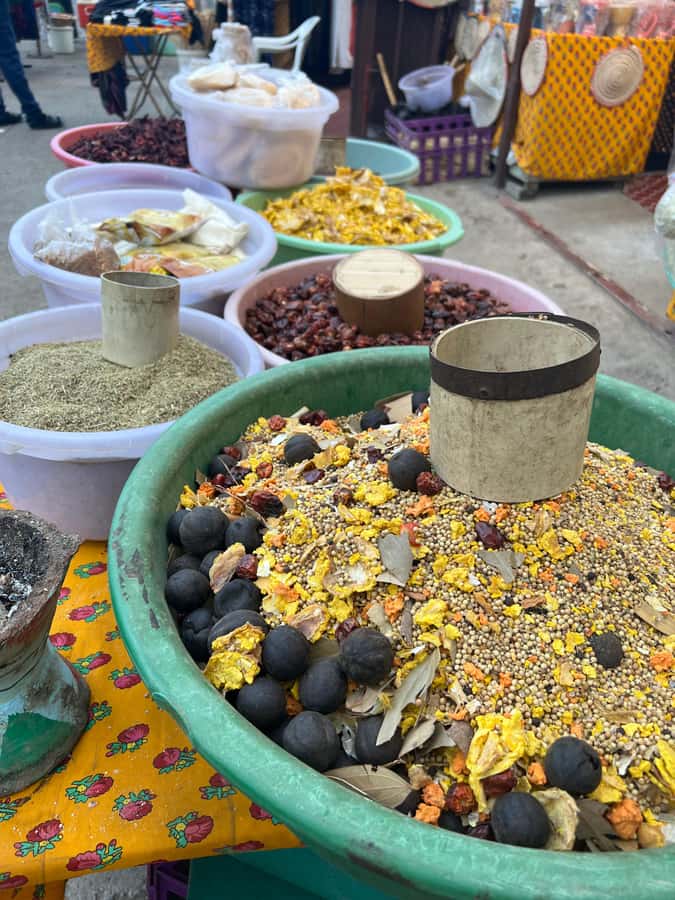
The market stop gives you a chance to see local commerce and browse for small souvenirs. It is called the Tuesday Bazaar, although the tour information says it is open all week, so you are not limited to visiting on a Tuesday.
You can look for handcrafted goods, traditional textiles, and local delicacies. Personal purchases are not included, so bring money if you want to shop. The tour price covers transportation and snacks, not market goods.
I like the market because it lets you move from monuments to ordinary activity. A market is often where you learn more about a place’s tastes, materials, and daily habits than you do in a formal exhibit. Still, keep your expectations practical. The available details do not identify specific products, prices, or stall hours beyond the statement that it operates throughout the week.
Your guide can help with context and perhaps with deciding what is worth buying. Do not feel pressured to purchase anything. Browsing is part of the experience, and the main value is seeing the market in use.
Walking through Al Basta’s mud-brick streets
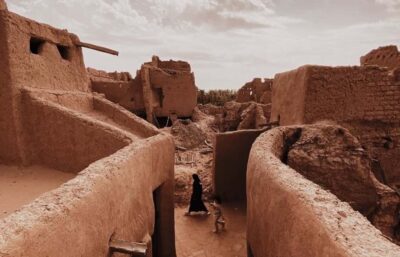
Al Basta District is one of the most characterful parts of the Abha visit. Its narrow lanes are lined with mud-brick houses, wooden balconies, and colorful windows.
This is the kind of place where a guide helps you notice small details. Look above street level for timber work, around corners for changing views of the buildings, and at the surfaces of the old walls. The district is better experienced on foot than from a vehicle, so comfortable shoes are important.
I would expect uneven walking and some standing. The tour is not suitable for people with mobility impairments, and this district is one reason why. The information does not specify the condition of every lane, so anyone with limited stamina should ask before booking.
Al Basta also gives you a strong contrast with the open views at Al Habala. The cliffside stop is about distance and scale. Here, the experience becomes close and detailed, with architecture shaping your view at every turn.
Finishing at the Fatima Museum
The Fatima Museum closes the tour with a focus on southern home décor and traditional women’s clothing. This is a valuable final stop because it shifts attention from public buildings and scenery to domestic life and artistic work.
You can expect displays connected with furniture, household decoration, and clothing traditions from the south. The details provided do not give the museum’s exact size or collection list, so I would not assume a large institutional museum. Its value is likely personal and cultural: seeing how homes were decorated and how clothing expressed regional identity.
For anyone interested in textiles, design, or local customs, this may be one of the most rewarding stops. It also makes the market visit more useful. After seeing traditional materials and clothing in a museum setting, you may look at market goods with a better eye.
Photography is allowed across the tour, but ask before photographing people, private areas, or sensitive objects. Modest dress remains the right approach throughout.
Why the private guide makes a difference
The private-group format is a major advantage. You are not placed into a large group with a fixed pace, and the guide can adjust the day to your interests within the six-hour limit.
Osama receives especially strong praise for his English, communication, and open-minded approach. His ability to adapt the tour is important because this route has several different moods: scenery, heritage, shopping, architecture, and museum displays. You may care most about old buildings, while someone else in your party may prefer views or local crafts.
The language choice is English or Arabic. If you want detailed explanations, tell the guide early what interests you most. A six-hour schedule cannot give every stop equal time, so clear priorities will help.
The private arrangement is also useful for couples, families, or small groups who want a more personal day. Solo visitors should weigh the per-person cost carefully, since $129 is easier to justify when shared across a private party.
Is $129 good value for six hours?
At $129 per person, this is not a bargain sightseeing bus. You are paying for a private group, round-trip transportation, a live guide, snacks, and a route that covers several parts of Abha and its surroundings.
I think the price is reasonable if you value convenience and interpretation. Arranging separate transport to Al Habala, Al Yanfa, Abu Kheyal Park, Shamsan Castle, Al Basta, and the Fatima Museum could be difficult, especially if you do not know the area. The guide also connects the stops so the day feels like one story rather than a pile of disconnected addresses.
The value is weaker if you only want one viewpoint or a short walk through Abha. In that case, a shorter local outing might suit you better. The tour works best when you want variety and do not want to manage the driving yourself.
Free cancellation up to 24 hours before departure and reserve-now, pay-later booking give you some useful flexibility. Starting times depend on availability, so check the schedule before committing to other plans in Abha.
Who should book this Abha tour?
I would recommend it to first-time visitors who want a broad introduction to Aseer Province in one day. It suits people who enjoy scenic viewpoints but also want old districts, markets, and museum displays.
It is especially good for:
- Couples seeking a private cultural outing
- Small groups that want a flexible pace
- Visitors who prefer English or Arabic guidance
- Photographers interested in cliffs, old houses, and mountain views
- People curious about southern clothing and home décor
- Anyone staying in Abha without their own transport
I would be cautious if you have mobility limitations, dislike walking on old streets, or want a slow visit at each location. The route has many stops, and the day may feel full rather than leisurely.
Bring comfortable clothes, walking shoes, a hat, sunscreen, and water. Snacks are included, but your own water remains essential. Smoking, alcohol, drugs, and littering are not allowed.
My verdict: a strong first look at southern Saudi Arabia
I would book Abha Wonders & Al Habala Gems if I wanted one private day that combined scenery, old villages, architecture, shopping, and local art. The best parts are the contrast between Al Habala’s steep views and Al Basta’s close-up streets, along with the chance to see a 1,350-year-old mosque and traditional southern clothing.
The main compromise is pace. You are covering a lot in six hours, and not every stop will receive a long visit. If that sounds right for your plans, the $129 price offers solid convenience and a guide-led introduction, especially with Osama’s strong English and flexible approach.
FAQ
How long does the Abha Wonders & Al Habala Gems tour last?
The guided tour lasts six hours, with pickup and return in Abha.
Where does the tour begin and end?
Pickup is in Abha, and you return to Abha at the end of the experience.
Is transportation included?
Yes. Round-trip transportation is included.
Are snacks included?
Yes. Snacks are included, but you should also bring water and any extra food you may need.
What languages does the guide speak?
The live guide speaks English and Arabic.
Is this a private tour?
Yes. The experience is offered for a private group.
What should I bring?
Bring comfortable shoes, a hat, sunscreen, water, snacks, and comfortable clothing. Dress modestly, and take care when photographing people or sensitive places.
Just listed in Saudi Arabia
- Wadi Al Disah Tour★ 4.1 · 5 reviews
- Wadi Lajab Canyon Hiking Tour★ 5.0 · 2 reviews
- Visit Taif The City of Roses★ 5.0 · 2 reviews
- Discover Taif City★ 5.0 · 4 reviews
- Sawda Mountains Hiking Trail★ 5.0 · 4 reviews
- Historical Landmark in Tabuk Region Full Day Tour★ 5.0 · 2 reviews
- Full day Jabal Al Lawz with Biblical Sites visit★ 5.0 · 2 reviews
- Horse Riding in Khobar★ 5.0 · 2 reviews
Abha & Asir Highlands Tours, compared.
Historical & Heritage Tour in Abha- Rijal Almaa Village
Read our review →Hike Trip In Abha Wadi Lajab – Heaven In The Desert
Read our review →
Full-Day City History and Rijal Al Almaa Village Tour
Read our review →Browse the lists this tour appears in