
Reviewed · HISTORICAL TOURS
Historical Landmark in Tabuk Region Full Day Tour
Ancient stories meet stark desert stone here. This private trip from Tabuk to Al-Bad combines Moses-related landmarks with striking sandstone scenery, and I like the door-to-door pickup and the chance to travel with your own small group. I also like that lunch, water, snacks, and private air-conditioned transport are included. The main drawback is the long road time: roughly six of the ten hours are spent going to and from Al-Bad.
The strongest part of the experience is the personal guiding. Adel is praised for his kindness, careful welcome, and broad advice about travel in the Tabuk region and AlUla. You should also expect a full, warm day rather than a quick sightseeing run, with tea and coffee offered along the way. The religious connections are traditional beliefs, not established archaeological proof, so I would approach the sites with curiosity and respect rather than certainty.
In This Review
- Key points to know before you go
- Why this Tabuk day trip is worth your time
- The road from Tabuk to Al-Bad takes three hours
- Al-Bad’s Moses sites and traditional stories
- Moses’ Altar
- The Golden Calf Altar
- The Split Rock of Horeb
- Magha’er Shuaib, the Well of Jethro
- Ship Rock and the writing routes of the Hasma Desert
- What the private guide adds to the day
- Lunch, transport, and what the $600 price covers
- Who should book this experience?
- My recommendation for this Tabuk to Al-Bad journey
- FAQ
- How long does the tour take?
- Where does the tour start and finish?
- What sites are visited in Al-Bad?
- Is the tour private?
- What is included in the price?
- Is accommodation included?
- Can I cancel for a full refund?
Key points to know before you go
- Three hours each way: The road from Tabuk to Al-Bad takes about three hours, with desert scenery, mountains, camels, and restroom stops along the route.
- Four major Moses-related sites: You visit Moses’ Altar, the Golden Calf Altar, the Split Rock of Horeb, and Magha’er Shuaib, also called the Well of Jethro.
- Ship Rock adds a visual highlight: This famous Hasma Desert formation looks like a ship and sits near old incense and pilgrimage routes.
- Private value for up to four people: The $600 group price works out to $150 each for four people, before considering the included meal, transport, water, and snacks.
- Adel shapes the day: His friendly manner and wider Saudi Arabia advice are among the most praised parts of the experience.
- A demanding but rewarding schedule: Four hours are set aside for the Al-Bad sites, with the remaining time used for the outward and return drives.
Why this Tabuk day trip is worth your time
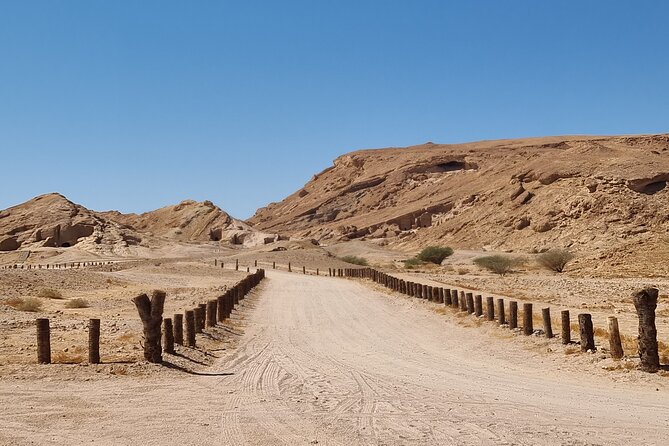
Tabuk is a useful base for seeing the northwest of Saudi Arabia, but some of its most unusual historical places lie far beyond the city. This tour takes you south toward Al-Bad Governorate, across open desert and mountain country, to places tied by local tradition to Moses, Jethro, and the people of Madyan.
I like the way the outing links several sites rather than focusing on one isolated viewpoint. You get natural scenery, religious tradition, rock formations, ancient writing routes, and a local meal in one long day. The result is less polished than a typical city excursion, but also more distinctive.
The private format matters here. Your group of up to four does not have to match the pace of a large coach party. You can ask questions, spend longer at a site that interests you, or keep moving if the heat and open terrain begin to wear you down. English or Arabic guiding is available in person.
The $600 price is per group, not per person. For four people, that is $150 each. For two people, it becomes $300 each, so the value depends heavily on your group size. Still, private transport, a full day of guiding, lunch at a local restaurant, bottled water, snacks, and all fees are included. Accommodation is not included, but this is designed as a day trip with return to your Tabuk lodging.
More History Tours in Saudi Arabia:
- Red Sand Adventure 4×4 (Camel Ride ,Quad Biking, Heritage House)
★ 5.0 · 135 reviews - Visiting The Incredible Heritage Site Hegra in AlUla
★ 4.6 · 93 reviews - Madinah Culture & History Tour – Led by Local Guide
★ 5.0 · 74 reviews
The road from Tabuk to Al-Bad takes three hours
The first leg is not a minor transfer. Plan on about three hours from Tabuk City to Al-Bad Governorate, then another three hours back. That gives the day a real road-trip character.
I would treat the drive as part of the experience rather than dead time. The route offers views of desert scenery, mountains, and camels. The changing sandstone colors are one of the visual reasons to make this trip, especially if you enjoy seeing how the terrain shifts outside the city.
Restrooms are available along the way, which is useful on such a long outward journey. The air-conditioned vehicle, bottled water, and snacks also matter because this is an exposed desert region and a full ten-hour program. You should still be ready for a long day in the car, with several outdoor stops after arrival.
The pickup is offered from Tabuk City, and the day finishes with a return to your accommodation there. That makes the arrangement simple if you are based in Tabuk and do not want to organize a separate vehicle, driver, meals, and route planning.
Al-Bad’s Moses sites and traditional stories
The central sightseeing period lasts about four hours in Al-Bad. The sites are presented through stories connected with Moses and the people around him. Some locations are identified by tradition, so your guide’s explanation is important in helping you understand what is known, what is believed, and how the places fit into the wider story.
Moses’ Altar
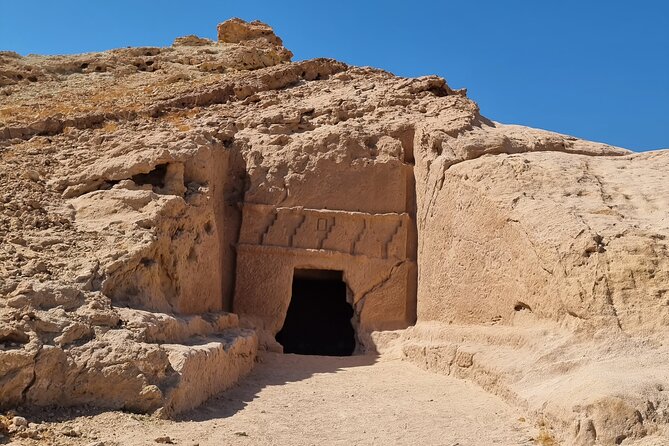
The first site is described as the place where Moses is believed to have built an altar for sacrifices to God. Its importance comes from the story attached to the ground rather than from a visitor center or a large formal monument.
I would come here ready to look closely at the setting and listen. The appeal is the sense of place: a remote site in the same broad desert world that gives the stories their power. If you prefer clearly documented archaeological remains with extensive signs and labels, this may feel spare.
That sparseness is also part of the point. You are not being led through a reconstructed attraction. You are visiting a rugged location and considering the tradition connected with it.
A couple more Saudi Arabia trips to compare
- Riyadh: Full-Day Riyadh Exploration Tour with Optional Lunch
★ 4.2 · 28 reviews - Alula Full Day Tour
★ 4.5 · 22 reviews - Full Day Guided Jeddah City Tour
★ 5.0 · 10 reviews - Abha City and AlHabala Full-Day Tour
★ 5.0 · 9 reviews
The Golden Calf Altar
The next stop is linked with the account of Moses’ followers worshiping a golden calf while he was away at Mount Sinai. Like the altar site, its meaning is tied to religious tradition and interpretation.
You may find this stop most interesting if you already know the story or want to understand how it is connected to the local setting. Your guide can give the visit shape, since the physical remains alone may not explain the full importance of the place.
This is also a good reminder to keep expectations measured. The tour is about landscape, place names, oral tradition, and historical context. It is not presented as a museum visit with a large collection of objects.
The Split Rock of Horeb
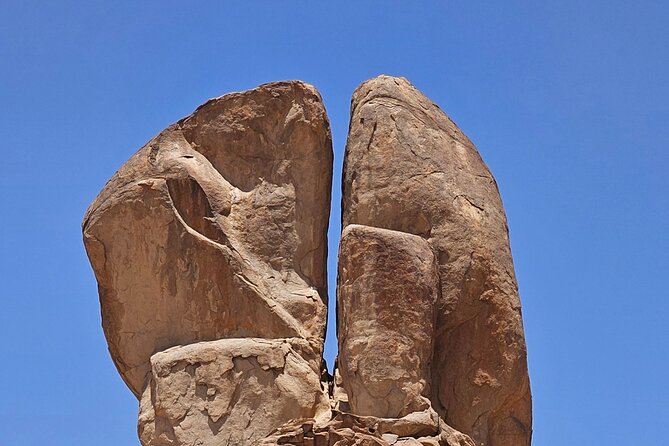
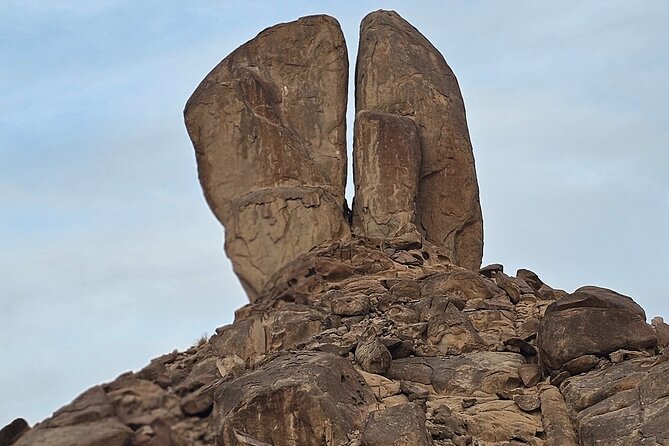
The Split Rock is associated with the story of Moses striking a rock with his staff, after which water flowed for his people in the wilderness. It is an arresting natural feature, and the story gives it an added layer of meaning.
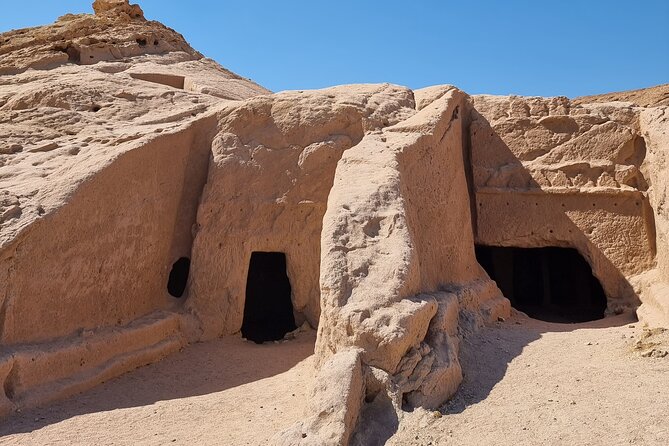
I like this combination of geology and belief. You can look at the stone itself, then think about why this particular formation became tied to such a powerful account. The site is likely to appeal most to people who enjoy places where natural features and sacred stories overlap.
The tour information does not describe formal facilities or extensive interpretation at the rock, so you should expect an outdoor stop rather than a developed attraction. Comfortable clothing and sensible footwear are practical choices for a day among remote stone formations.
Magha’er Shuaib, the Well of Jethro
Magha’er Shuaib, also called the Well of Jethro, is connected with Shuaib, known in the biblical tradition as Jethro and described here as Moses’ father-in-law. The site is believed to be where Shuaib lived, and it includes a well associated with Moses after he fled.
This stop brings the story closer to human action. Moses is said to have drawn water and helped Jethro’s daughters with their sheep. It is also identified as the place where Moses met Zipporah, Jethro’s daughter, before marrying her.
You should listen carefully to the different names used for the figures and places. Moses is also called Musa, and Jethro is also called Shuaib. Knowing these names will make the guide’s explanations easier to follow and will help you connect Islamic and biblical traditions without treating them as separate stories.
Ship Rock and the writing routes of the Hasma Desert
Ship Rock is described as the most famous landmark in the Hasma Desert. Its outline resembles a ship, making it one of the easiest stops to appreciate immediately. You do not need a long explanation to understand why it became a marker for people crossing this dry region.
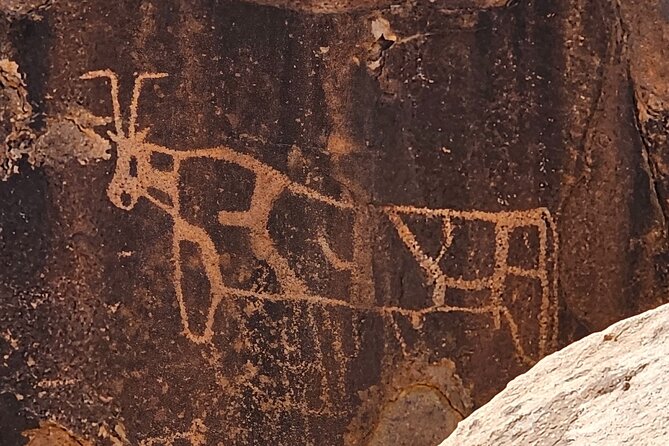
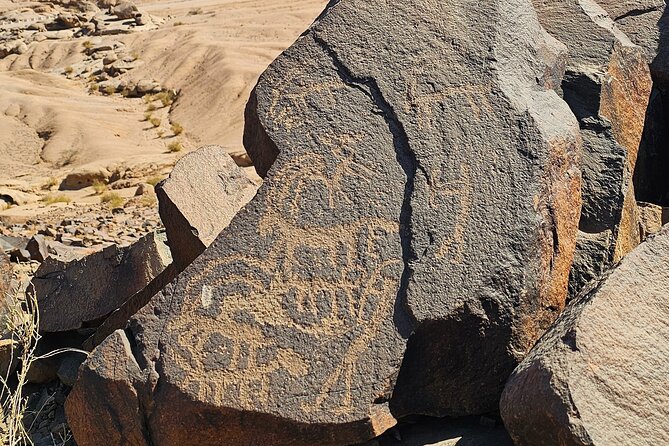
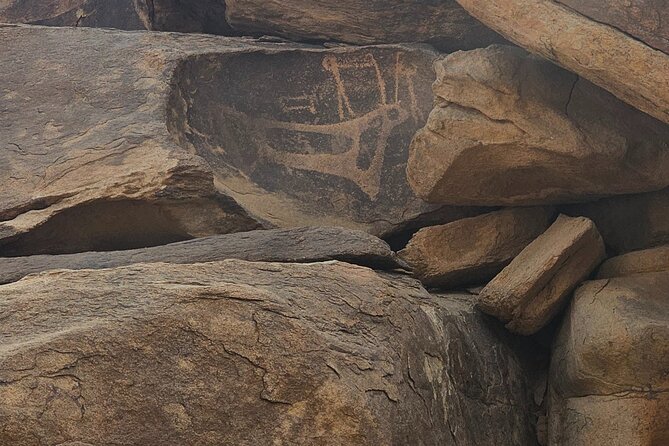
The rock also has a wider historical setting. The old incense trade road and the Pilgrims Road pass nearby, and the area contains Thamudic, Nabataean, and Islamic rock writings. That makes Ship Rock more than a photo stop. It connects the visible scenery with the movement of merchants, pilgrims, and communities across the desert.
I would give yourself time to look beyond the main shape of the rock. The inscriptions are the detail that gives the place extra weight, even if you are not able to read them. Ask Adel to explain what can be identified and how the different writing traditions relate to the area.
The supplied timing places Ship Rock and Moses’ Well among the Al-Bad portion of the day, but it does not give a separate length for each stop. That means the pace can vary. If rock writing matters to you, tell your guide early so the group can keep enough time for it.
What the private guide adds to the day
Adel receives the warmest praise for this experience. His welcome is described as especially polite and kind, and his understanding of the Tabuk region and AlUla adds value beyond the advertised route.
That wider advice can be useful if you are building a larger Saudi Arabia trip. One visitor credited Adel’s suggestions with improving the whole journey, including changing a flight that was not a good choice. You should not expect a guide to redesign every part of your holiday, but this shows why it is worth asking questions during the drive.
Tea and coffee are also part of the welcoming style described for the day. Small touches matter on a ten-hour outing, particularly when much of the route is spent on the road. A friendly guide can make the long transfer feel more like a shared journey and less like a transport service.
The private setup gives you a better chance to use that personal knowledge. In a group of four, you can ask about the region, the names of the sites, and other places in Saudi Arabia without competing with a busload of people.
Lunch, transport, and what the $600 price covers
The tour includes a local lunch at a restaurant. That is practical as well as enjoyable, since you do not need to carry a full meal or find a place to eat during a remote day out.
You also get bottled water and snacks. Private transportation is provided in an air-conditioned vehicle, which is important for the long drive and the hot, open surroundings. All fees and taxes are included, so the main quoted price is easier to compare with other private day tours.
Here is how the group price works:
- Four people: $150 per person
- Two people: $300 per person
- One person: the full $600 group price
For a full group of four, I think the package offers fair value because it combines transport, guide, lunch, refreshments, and a ten-hour schedule. For one or two people, it is a much more expensive day, though the private vehicle and personal attention may justify the cost if convenience is your priority.
The tour does not include accommodation. You need to arrange your own place to stay in Tabuk, but the pickup and return make it suitable for a Tabuk-based itinerary.
Who should book this experience?
I would recommend it most strongly to people who enjoy religious history, remote desert scenery, and natural rock formations. It suits anyone who wants to see a part of the Tabuk region that would be difficult to visit without private transport.
It is also a good match for small groups of friends or family. Four people can share the cost and still have a private vehicle, private guiding, and the freedom to discuss what they are seeing.
I would be more cautious if you dislike long drives. Six hours on the road is a large portion of a ten-hour day, even with scenery and restrooms along the route. You should also think carefully about the nature of the sites. These are not described as highly developed attractions, and some of their importance comes from traditional belief rather than confirmed archaeological evidence.
Confirmation is sent within 48 hours of booking, subject to availability. Most people can take part, and the activity is private for your group. Free cancellation is available up to 24 hours before the start time, while cancellations or changes made within 24 hours are not accepted for a refund.
My recommendation for this Tabuk to Al-Bad journey
I would book this tour if I had a full day in Tabuk, a group of two to four people, and a real interest in sacred stories and desert places. The route offers much more than a single rock formation, and Adel’s warm manner and regional advice appear to be a major part of the value.
I would skip it only if you need a short outing or want a heavily developed archaeological site with clear museum-style interpretation. For everyone else, the combination of Ship Rock, the Moses-related sites, Jethro’s Well, local lunch, and private transport creates a memorable day, provided you accept the long drive and the traditional nature of some of the claims.
FAQ
How long does the tour take?
The experience lasts approximately 10 hours. The drive from Tabuk to Al-Bad takes about three hours, the sightseeing period is about four hours, and the return drive takes about three hours.
Where does the tour start and finish?
Pickup is offered from Tabuk City, and the tour returns you to your accommodation in Tabuk City.
What sites are visited in Al-Bad?
The route includes Moses’ Altar, the Altar of the Golden Calf, the Split Rock of Horeb, Magha’er Shuaib or the Well of Jethro, Ship Rock, and Moses’ Well.
Is the tour private?
Yes. It is a private activity for your group only, with a maximum of four people included in the group price.
What is included in the price?
The price includes all fees and taxes, private transportation, lunch at a local restaurant, bottled water, snacks, an air-conditioned vehicle, and in-person guiding in English or Arabic.
Is accommodation included?
No. Accommodation is not included, so you need to arrange your own lodging in Tabuk.
Can I cancel for a full refund?
Yes, if you cancel at least 24 hours before the experience start time. Cancellations or changes made less than 24 hours before the start time are not refunded or accepted.
Just listed in Saudi Arabia
- Wadi Al Disah Tour★ 4.1 · 5 reviews
- Wadi Lajab Canyon Hiking Tour★ 5.0 · 2 reviews
- Discover Taif City★ 5.0 · 4 reviews
- Visit Taif The City of Roses★ 5.0 · 2 reviews
- Sawda Mountains Hiking Trail★ 5.0 · 4 reviews
- Full day Jabal Al Lawz with Biblical Sites visit★ 5.0 · 2 reviews
- Horse Riding in Khobar★ 5.0 · 2 reviews
- Kiswah Factory Tour From Makkah (Mecca)★ 4.0 · 5 reviews
Historical Tours, compared.

Red Sand Adventure 4×4 (Camel Ride ,Quad Biking, Heritage House)
Read our review →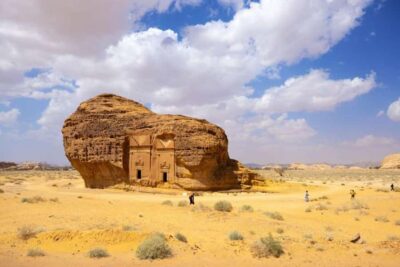
Visiting The Incredible Heritage Site Hegra in AlUla
Read our review →
Madinah Culture & History Tour – Led by Local Guide
Read our review →
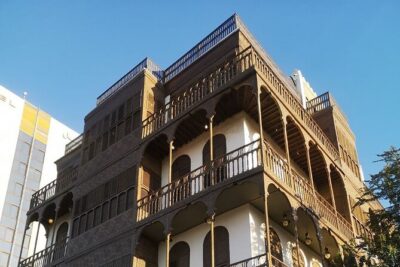
Historic District Tour in Jeddah by a Local Guide
Read our review →
Historical & Heritage Tour in Abha- Rijal Almaa Village
Read our review →
Private Tour in Historical Jeddah (ALBALAD) إكتشف جدة التاريخيه
Read our review →Browse the lists this tour appears in