
Reviewed · WADI & MOUNTAIN TOURS
Makkah: Jabal Al-Nour, Cave Hira, and Mount Arafat Tour
Sacred Makkah makes every stop feel weighty. I like the way this private four-hour tour connects the first revelation at Jabal Al-Nour with the Hajj sites of Arafat, Muzdalifah, and Mina. I also like the personal touch from guide Mohammed Alharbi, whose clear English and Arabic storytelling, patience, and careful timing receive especially strong praise.
The main consideration is pace and access. Four hours is a useful introduction, but traffic around the Haram can affect pickup and routing, and the mountain sites are not ideal for anyone with mobility problems. The tour is listed as wheelchair accessible, yet it is also marked unsuitable for people with mobility impairments, so I would confirm the exact conditions before booking.
In This Review
- Key points at a glance
- Why this Makkah tour is worth your time
- Starting near Alharam and getting on the road
- Jabal Al-Nour and the story of Cave Hira
- Jabal Thawr and the route toward Madinah
- Arafat, the essential Hajj stop
- Muzdalifah and Mina, understanding the sequence
- Hira Cultural Museum and Makkah’s wider story
- The guide makes the biggest difference
- Four hours, traffic, and the real pace
- Who will enjoy this experience most
- Practical preparation before you book
- Should you book the Makkah sacred-sites tour?
- FAQ
- How long is the Makkah sacred-sites tour?
- What locations are included?
- Is hotel pickup included?
- Which languages does the guide speak?
- Are museum entrance tickets included?
- Are meals provided?
- What should I bring?
- Is the tour suitable for people with mobility impairments?
Key points at a glance
- See the places behind the Hajj rites: Arafat, Muzdalifah, and Mina give physical meaning to the pilgrimage route.
- Connect early Islamic events to real locations: Jabal Al-Nour and Cave Hira relate to the first revelation, while Jabal Thawr recalls the migration to Madinah.
- Expect a guide-led experience: Mohammed Alharbi is praised for patience, clear explanations, Qur’anic references, and flexible timing.
- Private transport keeps the visit practical: Hotel pickup, drop-off, water, juice, and a bilingual guide are included.
- Allow for traffic and prayer times: The pickup point may change near Alharam, and the schedule can shift.
- Best for history-minded pilgrims: This suits you if you want context and reflection, not just a quick drive past famous sites.
Why this Makkah tour is worth your time
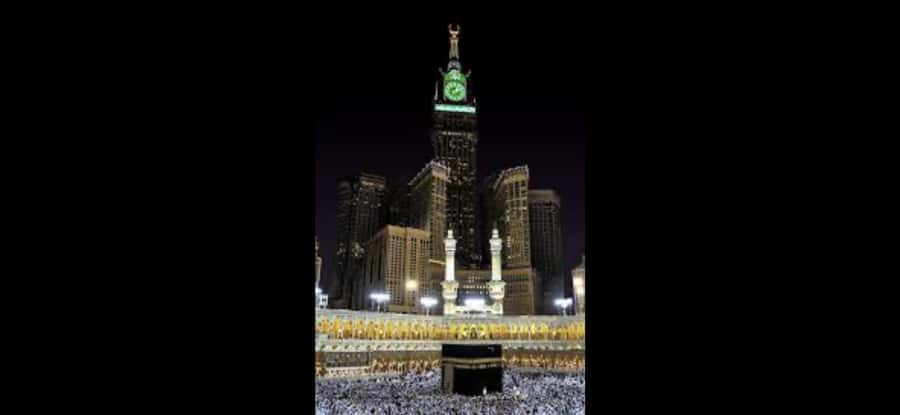
Makkah can feel difficult to understand from a car window. The streets, mountains, pilgrimage facilities, and modern construction move quickly around you. This tour gives those places a story and a sequence.
At $125 per person, the price is not simply for transportation. You are paying for a private group, hotel pickup and drop-off, a four-hour sightseeing route, historical interpretation, and an English and Arabic guide. That can be good value if you want one person to connect the sites rather than arrange separate rides and research each stop yourself.
I especially like the range of the route. You are not seeing only one mountain or one museum. The visit links the early life of the Prophet Muhammad, peace be upon him, with the central locations of Hajj. That combination makes the tour more useful than a standard city drive.
Still, keep your expectations in check. The advertised duration is four hours, while some bookings described outings lasting close to five or even six hours. That may reflect traffic, extra time, or added museum stops. Treat four hours as the reliable planning figure and ask Mohammed what will be covered on your date.
Other wadi and mountain drives:
- From Riyadh: Tuwaiq Mountains and Najd Plateau Day Trip
★ 4.5 · 44 reviews - From Jeddah: Taif Exploration Tour with Lunch
★ 4.3 · 30 reviews - Al Ula: Dadan and Jabal Ikmah Tombs Guided Tour
★ 4.2 · 26 reviews
Starting near Alharam and getting on the road
Pickup is included from your hotel in Makkah, but the exact meeting point may need to change because of traffic around Alharam. This is an important detail, not a footnote. Roads near the Grand Mosque can be slow or restricted, so you should keep your phone available and arrive 15 minutes early.
Mohammed Alharbi is repeatedly praised for staying in contact before pickup and helping people find the meeting point. One family also appreciated that he waited when they were delayed reaching the meeting place. That kind of communication matters in Makkah, where a small delay can affect the whole route.
Transportation is included, along with water and juice. Meals are not included, so eat beforehand if you need more than a drink during the half-day outing. Bring comfortable shoes, a hat, sunscreen, and a camera, while keeping your clothing modest and covering your shoulders and knees.
Smoking is not allowed. You should also carry a valid photo ID.
Jabal Al-Nour and the story of Cave Hira
Jabal Al-Nour, the Mountain of Light, is the setting for Cave Hira and the story of the first revelation received by Prophet Muhammad, peace be upon him. The point of this stop is not merely the view or the rock itself. It is the chance to place one of the defining events of Islam in its actual Makkah setting.
The tour presents Hira as part of a larger cultural visit. You can expect historical storytelling about the first revelation and the place’s importance in Makkah’s religious heritage. Mohammed’s style, based on the feedback available, includes Qur’anic verses and related accounts from Islamic tradition rather than a bare list of dates.
Do not assume that this is a full mountain hike or that entering the cave is part of the four-hour program. The supplied details describe a visit to Jabal Al-Nour and Cave Hira, but they do not promise a climb into the cave. That distinction matters. If you are hoping to make the ascent, ask about the physical demands, available time, and current access before you go.
The mountain setting can also be tiring in hot weather. Comfortable footwear and sun protection are essential. If you have limited mobility, this is one of the stops that deserves a direct conversation with the provider.
Jabal Thawr and the route toward Madinah
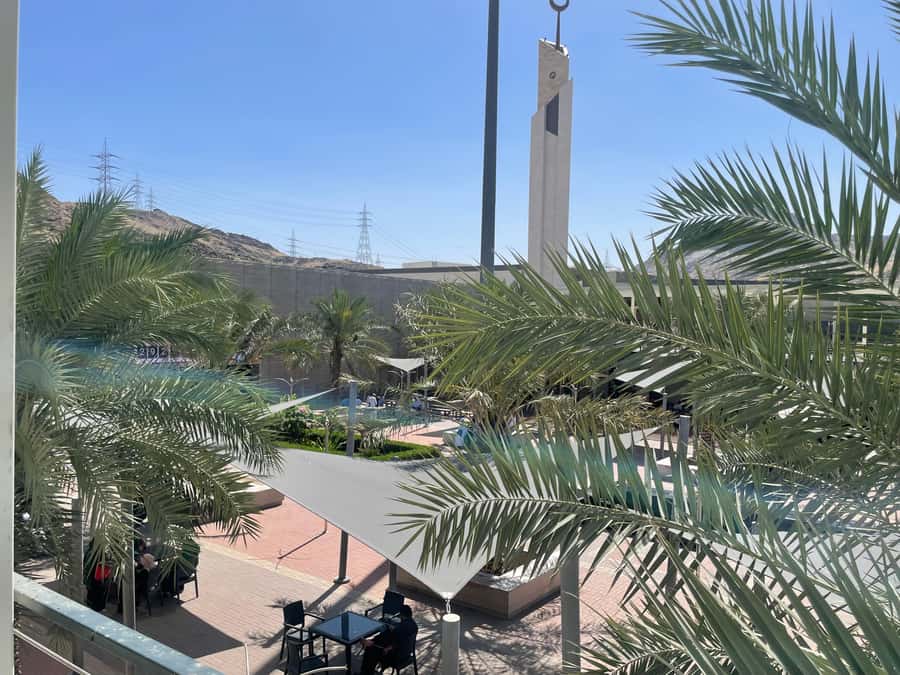
The visit to Jabal Thawr recalls the migration of Prophet Muhammad, peace be upon him, and his companion Abu Bakr, may Allah be pleased with him. The Cave of Thawr is associated with the period when they hid from their enemies during the journey to Madinah.
This stop adds a different kind of meaning to Hira. Hira is linked to the beginning of revelation, while Thawr is linked to danger, patience, trust, and the Hijrah. Seeing both mountains in one outing helps you understand how early Islamic history is rooted in Makkah’s physical surroundings.
Again, the tour information does not promise a climb or cave entry. You should see this as a guided visit to the mountain and cave site, with explanation from the guide. Mohammed has been praised for relating each location to relevant Qur’anic verses and hadith, and for using recorded background material through a sound system on some outings.
That approach will suit you if you want the religious meaning explained clearly. It may feel less satisfying if your main aim is an extended walk or a strenuous mountain experience.
A longer drive, and a very different landscape:
- Riyadh: Edge Of The World, camels &Stargazing with 4×4
★ 4.7 · 1,050 reviews - Edge of The World Riyadh with Camel Ride ,Bat Cave Visit & Dinner
★ 5.0 · 778 reviews - Edge Of The World Hike(Dinner under stars,village,bats cave,camp)
★ 4.5 · 675 reviews - Edge of the World with 4×4 vehicles, sunset Dinner and stargazing
★ 4.5 · 567 reviews
Arafat, the essential Hajj stop
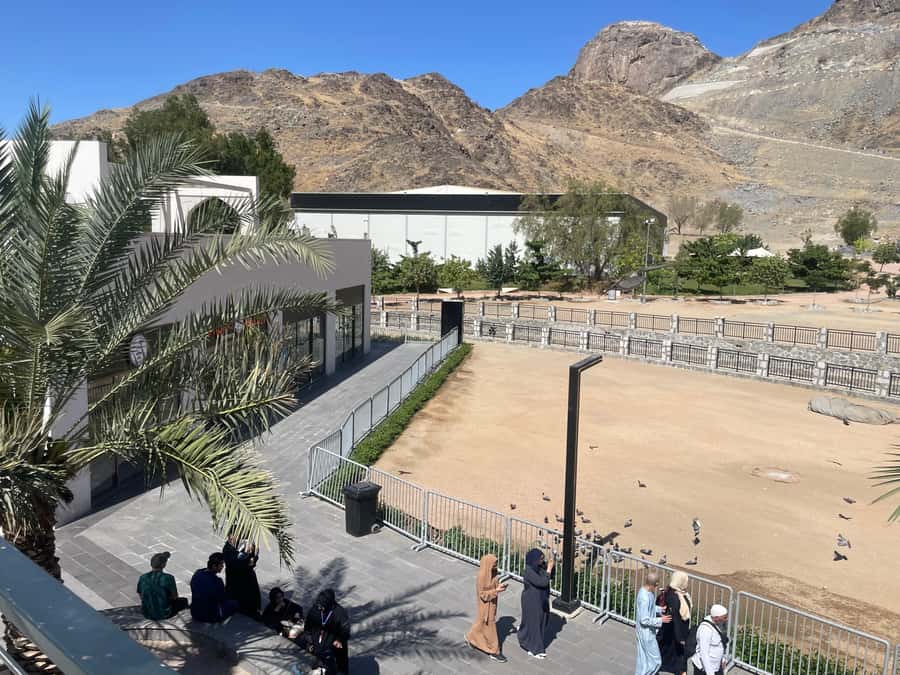
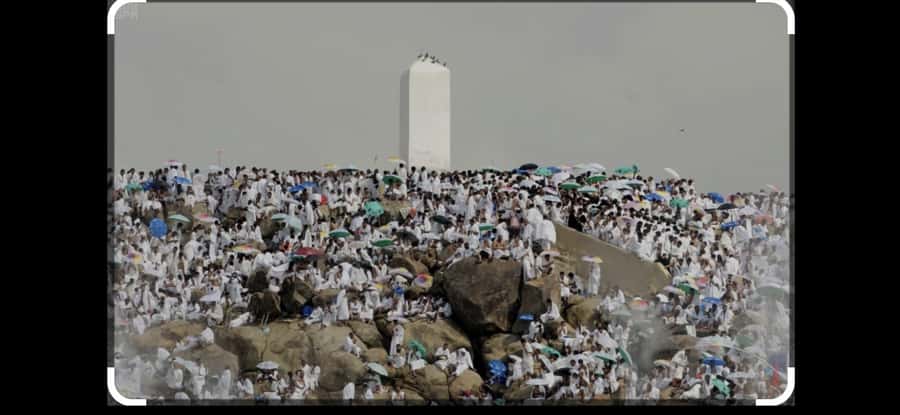
Arafat is the central pilgrimage stop on this route and receives about an hour of guided attention in the stated itinerary. For Muslims performing Hajj, standing at Arafat is an essential ritual. For someone learning about Hajj, the visit makes the journey’s geography much easier to grasp.
The value here is scale and context. Rather than hearing the name Arafat only in a book or sermon, you can see the place connected to the wider route. Mohammed explains the role of Arafat as the gathering point where pilgrims perform the essential standing during Hajj.
An hour gives you time to listen and take in the setting without turning the visit into a rushed photo stop. It is also one reason the private format helps. You can ask questions and keep the discussion focused on what matters to you.
The itinerary specifically lists Mount Arafat as the guided stop and then returning to Makkah. The wider description includes Muzdalifah and Mina as part of the Hajj route, but exact stop lengths are not given. Ask whether you will leave the vehicle at each place or view some sites from the road.
Muzdalifah and Mina, understanding the sequence
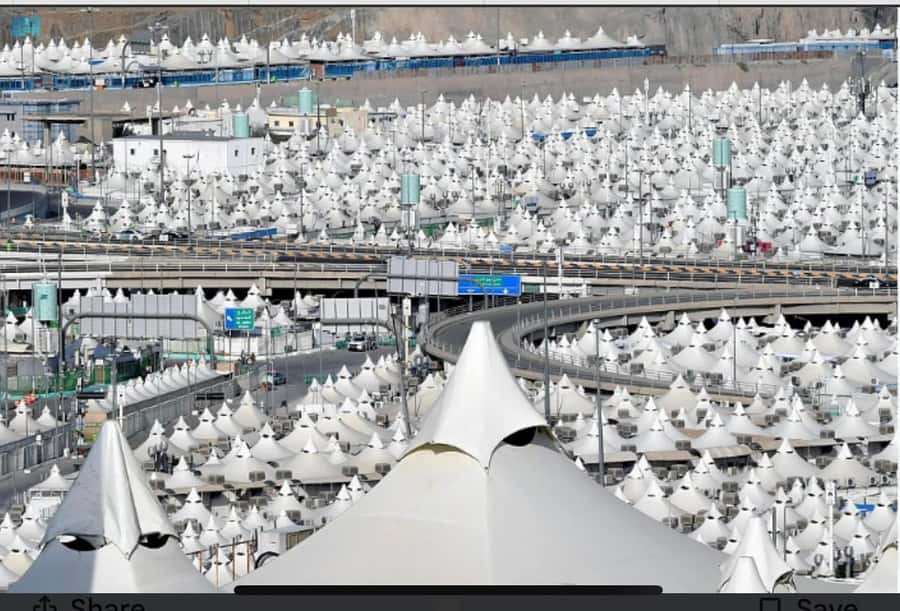
Muzdalifah follows Arafat in the Hajj journey. It is described as the place where pilgrims rest before continuing to Mina. Visiting these locations in sequence is useful because Hajj is not a collection of unrelated sites. Each place has a position in the movement of the pilgrimage.
Mina is associated with the symbolic stoning of the devil, one of the best-known parts of Hajj. A guide can explain how this stop fits into the wider ritual rather than leaving you with only a familiar name.
These visits may be shorter than Arafat, depending on traffic and the day’s schedule. The experience is strongest when you listen to the explanation and pay attention to the order of the sites. You may not receive a long stay at every location, so think of this part as a geographical and religious orientation.
Prayer times can affect the schedule. That is fitting in a tour built around sacred places, but it means you should not plan a tight appointment immediately afterward.
Hira Cultural Museum and Makkah’s wider story
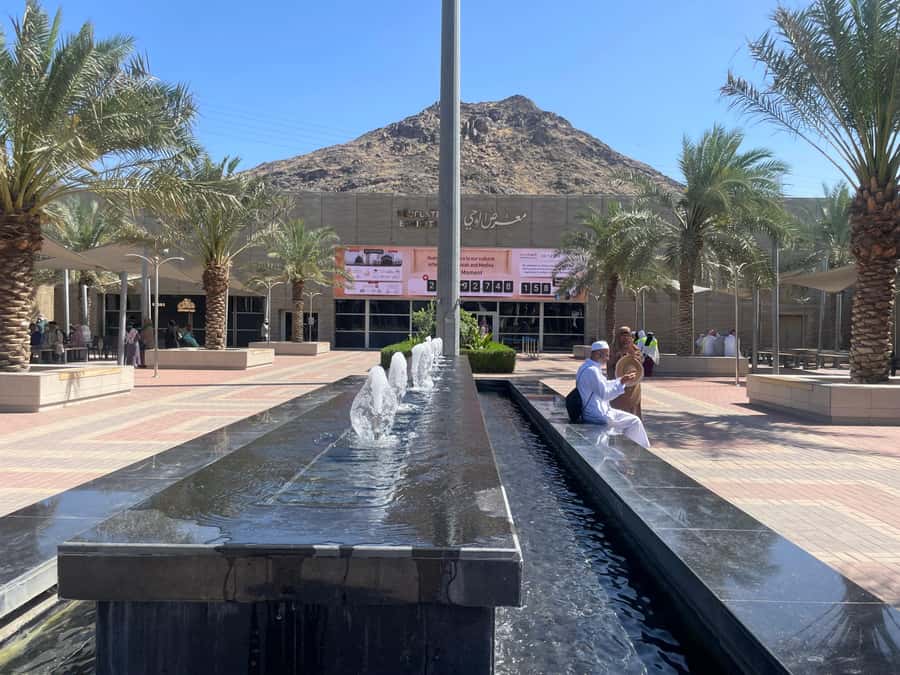
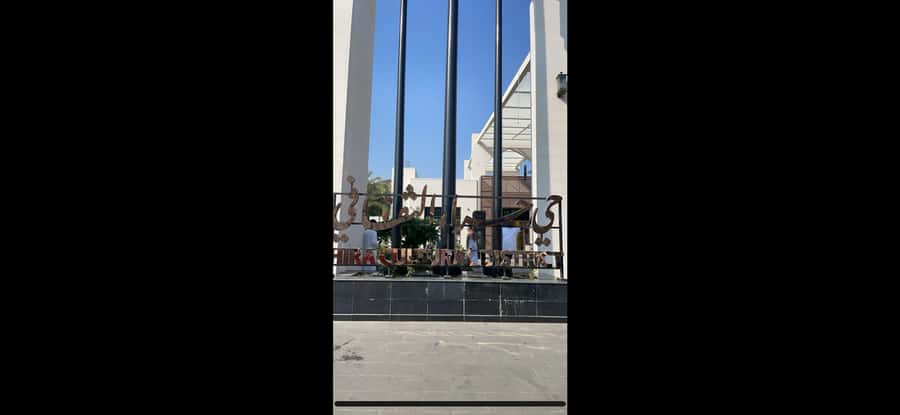
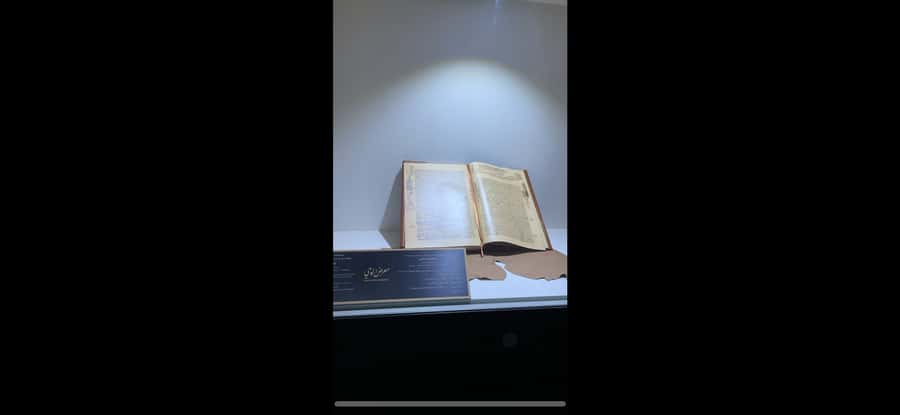
The museum stop broadens the tour beyond mountains and pilgrimage sites. The description refers to the Makkah Museum and Hira Cultural Museum, with displays and artifacts tied to Islamic heritage, Makkah’s development, and the story of revelation.
A museum is especially helpful after the outdoor stops. It gives you a place to put the locations into a larger cultural frame and can make the tour feel less like a series of roadside explanations.
One particularly useful visit included the Jabal Hira Visitors Center, Saudi coffee, Sukari dates with tahini sauce, traditional Arabic seating, and access to exhibitions connected with the Quran and revelation. These extras are not clearly promised as standard inclusions, so do not assume they are part of every booking. They do show the kind of local hospitality Mohammed may add when time and conditions allow.
Tickets are not included in the advertised price. That means you should ask which museum admissions, if any, are required and how much they cost before you set your budget. The core package includes sightseeing and storytelling, but paid exhibitions remain separate.
The guide makes the biggest difference
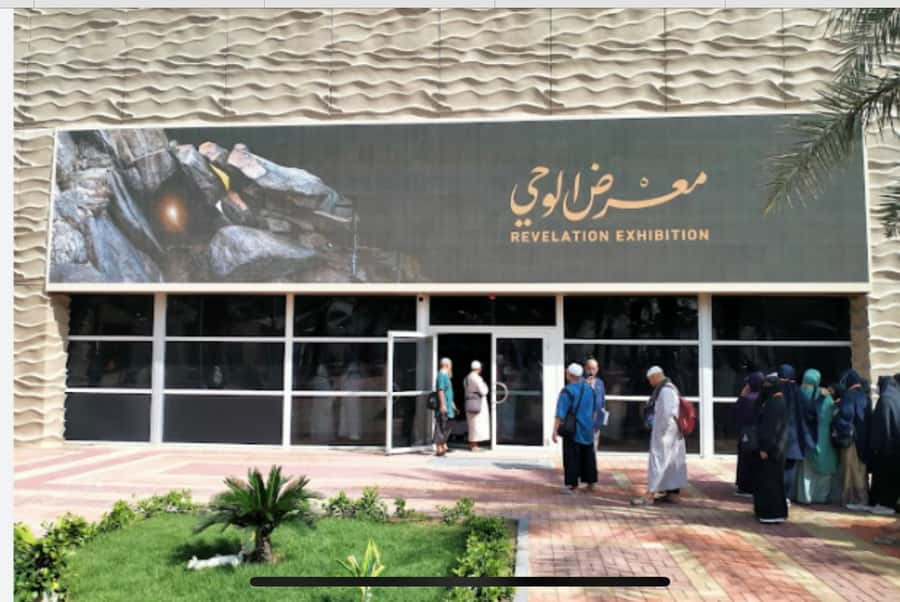
The strongest feature of this experience is the guide. Mohammed Alharbi is praised for being patient, punctual, warm, and easy to understand. Several accounts also point to his strong English, while Arabic is available as well.
I like that his explanations appear to go beyond memorized facts. He connects sites with Qur’anic verses and hadith, explains the people involved in key events, and adjusts his pace when visitors are tired. One group described the tour as meaningful because the guide gave them time at each stop instead of pushing them through.
That matters in Makkah. A place can be spiritually important without being easy to interpret. You may see a mountain, a road, or a broad open site and need help understanding why it matters. A good guide supplies that missing connection.
The private-group format also helps families and mixed-age groups. You can ask for clarification, spend longer at a place that matters to you, or tell the guide if someone needs a break. The experience is bilingual in English and Arabic, which makes it suitable for many families traveling together.
Four hours, traffic, and the real pace
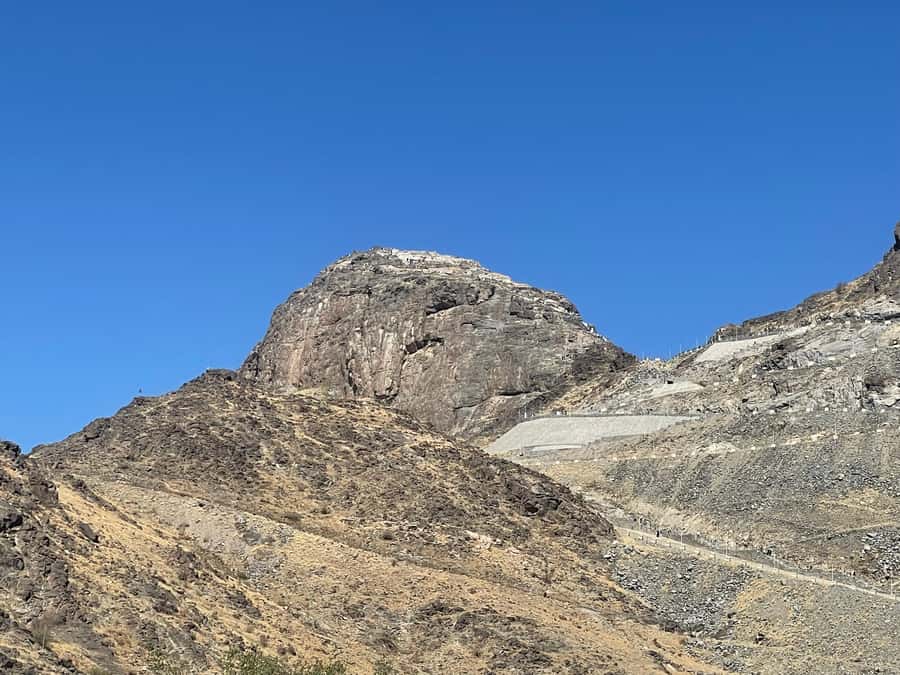
The stated duration is four hours. That is enough for a focused introduction, especially because transportation is arranged. It is not enough for a slow, unhurried exploration of every mountain, museum, and Hajj site.
Traffic is the main variable. Pickup around Alharam may need adjustment, and prayer times can change the schedule. Summer heat can also affect how long you want to remain outdoors. A private vehicle gives you more control than a large group bus, but it cannot remove road delays.
I would schedule this tour when you have some flexibility afterward. Do not place it between two nonrefundable commitments. If your priority is covering the key sites with a guide, four hours works well. If you want long museum visits or mountain walks, request a longer arrangement in advance.
The published price includes water and juice but not meals or tickets. That is fair for a private, guide-led trip, particularly if you are traveling with family or several people who would otherwise arrange separate transport. For a solo visitor, the cost is harder to justify unless the religious explanation is a major reason for booking.
Who will enjoy this experience most
I would recommend this tour to you if you want a clear introduction to Makkah’s sacred geography and early Islamic events. It is a strong choice for first-time visitors, families, older pilgrims who want a vehicle-based route, and anyone who values explanations in English or Arabic.
It is also useful if you have limited time in Makkah. Instead of trying to organize Arafat, Muzdalifah, Mina, the two mountain sites, and a museum on your own, you can see them as one connected route.
I would be more cautious if you have mobility problems, dislike heat, or want to climb to the caves. The tour information gives mixed signals by calling the activity wheelchair accessible while also saying it is not suitable for people with mobility impairments. Ask specifically about vehicle access, walking surfaces, waiting time, and how close the vehicle can get to each site.
Practical preparation before you book
Wear modest clothing that covers your shoulders and knees. Choose shoes you can walk in comfortably, and bring a hat, sunscreen, camera, water if you prefer more than the supplied refreshments, and photo ID.
Confirm the pickup point on the day before and again on the morning of the tour. Keep your phone available because road conditions around Alharam may require a different meeting place.
Ask four useful questions before paying:
- Will the route include both Hira and Thawr on my date?
- Are the museum or exhibition tickets extra?
- How much time is planned at Mina and Muzdalifah?
- What walking is required at each mountain site?
Free cancellation is available up to 24 hours before the activity, and you can reserve now and pay later. Those terms make it easier to hold a place while your Makkah schedule changes, but they do not remove the need to check the route and access details.
Should you book the Makkah sacred-sites tour?
Book it if you want more than photographs. The best part is the connection between place, pilgrimage, and Islamic history, supported by a guide who is praised for patience, clear language, Qur’anic references, and thoughtful pacing.
At $125 per person, it is good value for a private half-day outing with transport and guiding, especially for a family or small group. It is less compelling if you only want a quick drive, plan to climb the mountains independently, or need a fully accessible route.
For most visitors seeking a respectful introduction to Makkah’s sacred mountains and Hajj sites, I would book it. Just confirm the exact stops, extra tickets, walking requirements, and pickup point before the day begins.
FAQ
How long is the Makkah sacred-sites tour?
The advertised duration is four hours. Some outings may run longer because of traffic, additional stops, or time spent at museums, so keep your schedule flexible.
What locations are included?
The experience is described as visiting Jabal Al-Nour and Cave Hira, Jabal Thawr and Cave Thawr, Arafat, Muzdalifah, Mina, and a Makkah cultural museum or Hira Cultural Museum.
Is hotel pickup included?
Yes. Hotel pickup and drop-off in Makkah are included, but the exact pickup point may change because of traffic around Alharam.
Which languages does the guide speak?
The live guide is available in English and Arabic.
Are museum entrance tickets included?
No. Tickets are listed separately from the included services, so confirm the admission cost and which exhibitions require payment.
Are meals provided?
No. Meals are not included. Water and juice refreshments are included.
What should I bring?
Bring comfortable shoes, a hat, sunscreen, a camera, and a valid photo ID. Dress modestly, covering your shoulders and knees.
Is the tour suitable for people with mobility impairments?
The activity is marked wheelchair accessible but is also described as unsuitable for people with mobility impairments. Because the route includes mountain and outdoor sites, contact the provider to confirm the walking and access conditions for your needs.
Just listed in Saudi Arabia
- Wadi Al Disah Tour★ 4.1 · 5 reviews
- Wadi Lajab Canyon Hiking Tour★ 5.0 · 2 reviews
- Visit Taif The City of Roses★ 5.0 · 2 reviews
- Discover Taif City★ 5.0 · 4 reviews
- Sawda Mountains Hiking Trail★ 5.0 · 4 reviews
- Historical Landmark in Tabuk Region Full Day Tour★ 5.0 · 2 reviews
- Full day Jabal Al Lawz with Biblical Sites visit★ 5.0 · 2 reviews
- Horse Riding in Khobar★ 5.0 · 2 reviews
Wadi & Mountain Tours, compared.
Hike Trip In Abha Wadi Lajab – Heaven In The Desert
Read our review →
Browse the lists this tour appears in